For breakfast, breakfast for dinner, or even dessert (custard, cookies, cakes, and beyond), eggs come in clutch to deliver protein, flavor, and in many cases, a lovely lofty element.
While they’re accessible and affordable, eggs aren’t always the easiest to work with. Have you ever been delivered an omelet with brown skin while dining out for brunch? Or perhaps you’ve dived fork-first into a scramble in which salt is MIA?
Egg mistakes are surprisingly common among home cooks—and even many professionals. To help you steer clear of the most common egg mistakes so you can cook and bake even more deliciously, we tapped the following chiefs and culinary experts to dish:
- Sarah Brekke, M.S., Better Homes & Gardens Test Kitchen culinary specialist
- Giuseppe Gentile, executive chef at L’antica Pizzeria da Michele Hollywood in Los Angeles, California
- Lauren Grant-Vose, founder of Zestful Kitchen
- Kyle Kenny, executive chef at The Cottage in La Jolla, California
- Ryan Schelling, executive chef at Four Seasons Resort Maui
- Blake Shailes, executive chef at Grandmaster Recorders in Hollywood, California
Investing in the Incorrect Kind of Eggs
Shailes, for one, swears by fresh free-range eggs from his local farmers market. As a plan B, he suggests snagging the highest-quality dozen you can find at your supermarket.
Even amidst inflation, eggs are among the most budget-friendly sources of protein. It’s worth a few extra pennies to buy eggs that are raised in a sustainable way, Shailes adds. It’s better for the animals and the earth, and research suggests free-range eggs may offer even more nutrition benefits.
While you're stocking up, be sure to consider egg size.
“Most recipes are, or at least should be, developed with large eggs,” Grant-Vose says. While this doesn’t make a huge difference for savory dishes like frittatas and omelets, “using large eggs is especially important for baking recipes. If you use too large of eggs, the texture can be impacted; your final product will be too eggy and too bouncy. If you use too small of eggs, you may not have enough filling for tarts, your cookies may not be as chewy as they should be, or your cake may not have the right crumb.”
If you’re unsure of how your egg stacks up, grab your food scale. One large egg, out of its shell, should weigh about 50 grams, Grant-Vose advises.
Starting with Cold Eggs and a Cold Pan
Many home cooks start with a fresh-from-the-cabinet pan and straight-from-the-refrigerator eggs, Gentile says. If you opt to do so, your results will not be so hot, the chefs we spoke to agree.
When you’re cooking eggs for savory purposes (such as a fried, over-easy, over-hard, or scrambled) your best bet is to start with a preheated nonstick pan with a little oil or butter, Brekke says. When possible, transfer the eggs from the fridge to the counter 15 minutes prior to cracking and cooking them. Then as those rise in temp, begin to preheat your pan over low to medium heat.
“This allows the egg to cook on the surface of the fat so that it doesn’t have the opportunity to stick to the pan much at all. The fat will not only add flavor, but will also help the eggs cook more evenly,” Brekke adds.
Cracking Eggs On the Side of the Bowl or Pan
Instead, crack eggs on a flat surface, like a clean countertop that you can sanitize after, then pour the egg into a small separate bowl. This gives you quality control, Grant-Vose confirms. If the egg has blood in it, or a piece of shell gets in it, you can easily dispose of it (or fish out the extra egg shell scraps) rather than sacrificing your whole recipe.
“There are a few reasons why we recommend this over cracking the egg on the side of the bowl or cooking vessel: egg shell fragments can end up mixing with the liquid portion of the egg, egg shells can have traces of bacteria on them which can then be transferred to the interior of the egg, and the egg yolk can more easily be broken,” Brekke says.
Cranking Up the Heat too High
Have you ever eaten eggs that seemed tough and rubbery? Or perhaps they taste a bit reminiscent of burnt fats?
“They were likely cooked too hot and too quickly,” Brekke says.
Just like their shells, whites and yolks are delicate. Eggs are high in protein, and this protein is a molecular network that also helps the egg retain a lot of moisture. The heat of the pan causes this protein network to contract too quickly, which in turn, forces the water out.
Aim to cook the egg gently and evenly over medium or medium-low heat. Ideally, turn off the heat when the egg is 90% cooked, then let the residual heat of the pan finish cooking the eggs gently, Shailes suggests.
Traditional technique best practices promote minimal coloration; “brown spots on scrambled eggs and omelets indicate the pan was too hot,” Schelling says.
We all have different egg preferences, though. (Andrew Zimmern, for one, loves a crispy-edged frizzled egg.)
“If you love a slightly crisp or browned edge on your fried egg, heat some oil in a pan over medium-high heat,” Brekke explains. “Immediately after adding the eggs to the pan, reduce the heat to medium or medium-low until the center of the egg is cooked to the desired doneness.”
Forgetting to Season
Underseasoning is an extremely common egg mistake, Kenny says.
You just need a pinch of salt. If you like, dress things up a bit more with a splash of hot sauce or sprinkle of fresh herbs.
Especially when serving others dishes like a shareable scramble or an egg casserole, where no one will likely notice a missing bite, “Don't forget to taste your eggs,” Kenny adds, then adjust seasoning accordingly. “Cooking without tasting is like painting without looking.”
Overlooking All of Your Options
A Julia Child-style French omelet, a diner-like scramble, or a Benedict-ready poached egg are only the beginning. Many home cooks tend to overlook the wide array of possibilities eggs offer.
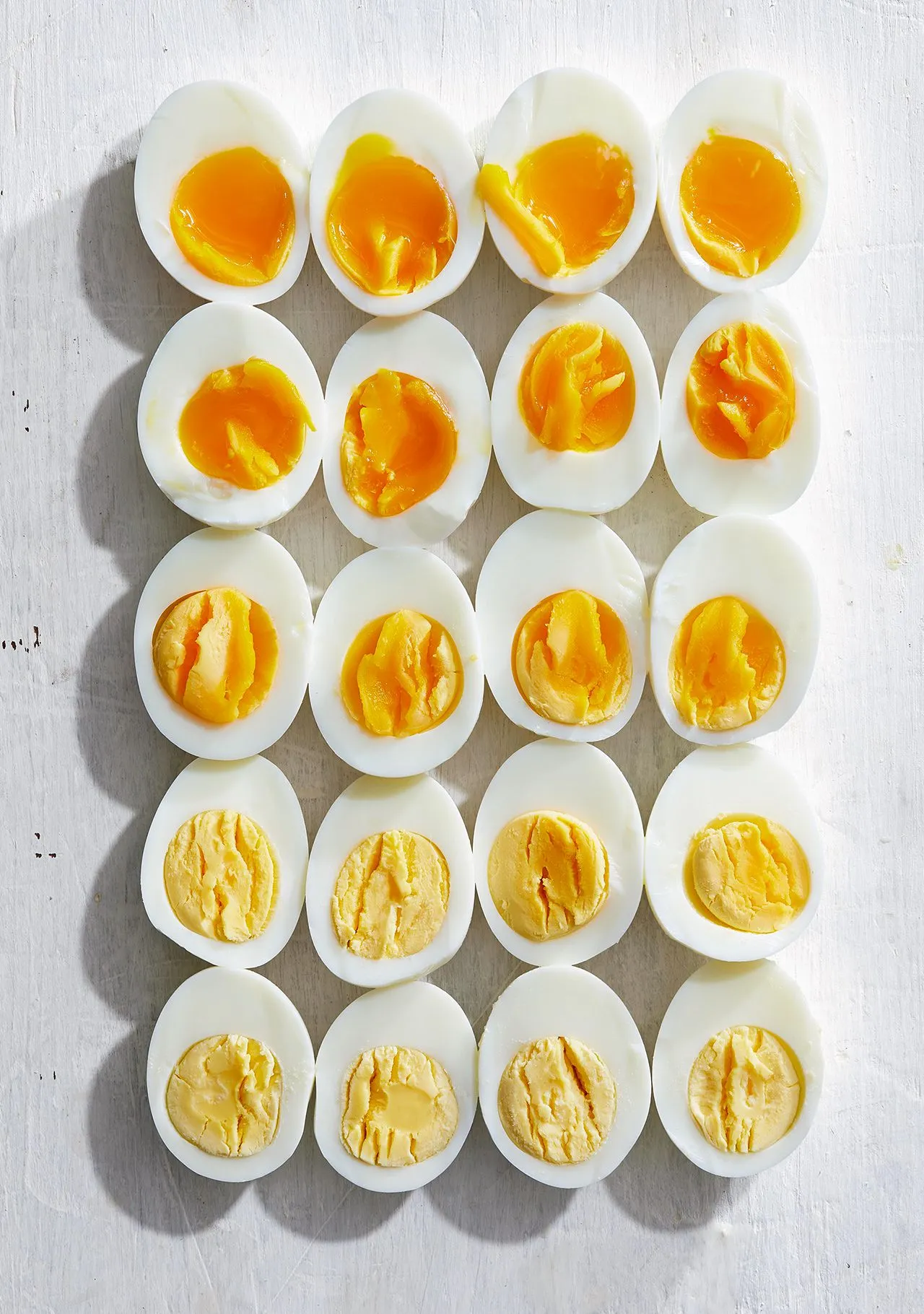
For breakfast, depending on how much time you have and how well done you prefer your yolks, coddled eggs, hard-boiled eggs, and jammy eggs are all excellent options. Come appetizer time and cocktail hour, deviled eggs and scotch eggs always earn rave reviews. At dinner, don’t overlook fried rice or carbonara. And for a far-better-than-store-bought sauce, try your hand at homemade hollandaise or mayonnaise. Then be sure to save room for dessert, where meringues, macarons, crème brûlée and custards highlight the versatility of incredible eggs.