If you’ve experienced sticker shock at the grocery store lately, you’re not alone. Grocery prices have been on the rise for the past several years, putting a strain on customers’ wallets. But you might also be making some common mistakes while shopping that are driving up your grocery bill even more.
“There are a few patterns I see over and over again that quietly drive grocery bills up, and most of them have less to do with what you buy and more to do with how you shop,” says Samantha Peterson, MS, RDN, functional medicine dietitian and founder of Simply Wellness. “At its core, most grocery overspending is not about a lack of knowledge. It is usually the result of shopping reactively instead of intentionally. When your groceries are aligned with how you actually eat during the week, you waste less, make fewer extra trips, and naturally spend less overall.”
We tapped Peterson, along with Jessica Villalvir, MS, RDN, of Worthy of Wellness, and Juliana Vocca MS, RD, owner of Prime Women Nutrition, to share the most common mistakes they see shoppers making when buying groceries. Here, they share eight ways you might be unintentionally driving your food bill up—plus, how to break these bad habits and save money on your next grocery run.
Never lose a BHG recipe again. Find a recipe you love on BHG.com? Click the heart icon to save it (and find it later) with MyRecipes.com.
Shopping Without a List
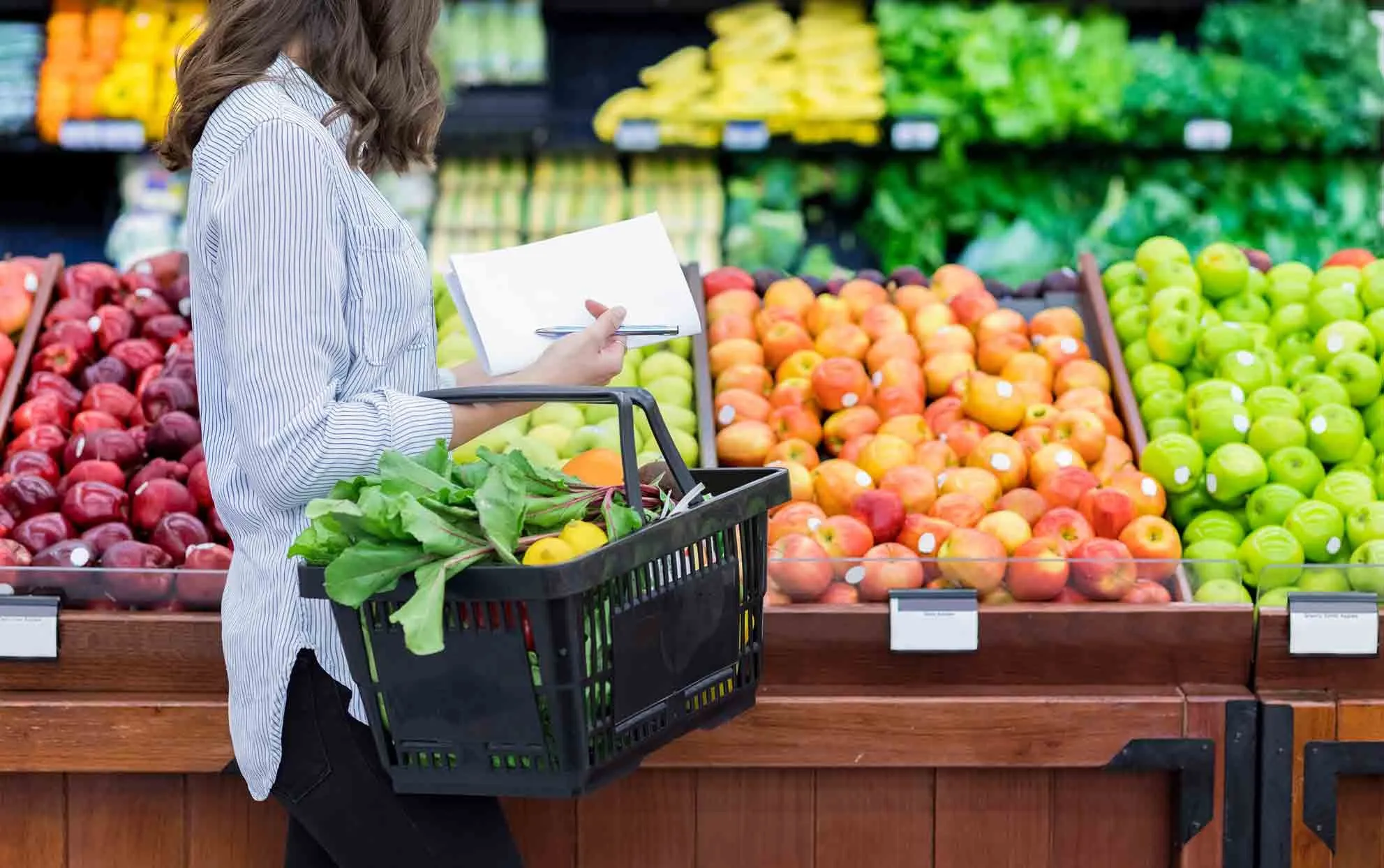
The three dietitians we spoke to agree: Grocery shopping without a list is the biggest mistake that’s costing you money. Going to the store without a clear idea of what you plan to buy can easily rack up your grocery bill, as it often leads to making impulse purchases, buying duplicates of items you already have at home, or forgetting the ones you actually need, all of which can lead to return trips. Each of those extra trips to the store is an opportunity to spend more money.
“One of the biggest mistakes is going into the store without a clear plan for how the food is actually going to be used,” Peterson says. “It’s easy to shop with good intentions, buying more fresh foods or trying new ingredients, but without a realistic plan for when or how those foods will be eaten, they often end up going to waste. Even a simple plan, like identifying a few meals for the week and a handful of staples, can reduce that cycle. It helps groceries feel more cohesive, reduces the need for extra trips, and makes it much easier to actually use what you buy.”
The easiest way to curb this overspending? Shop with a list. “A simple list, even a quick one on your phone, acts like a spending anchor,” Vocca says. “It keeps you focused, reduces waste, and helps you stick to what you actually need rather than what catches your eye.”
Shopping While Hungry
Ever heard that you shouldn’t shop while hungry? Turns out, the old adage is totally true. All three dietitians we spoke to agree that shopping while hungry is one of the worst things you can do for your grocery bill. When you’re hungry, you’re more likely to make impulse purchases, turning to quick, convenient ready-to-eat foods that sound good in the moment instead of what you actually need.
“When your stomach is growling, your brain becomes laser‑focused on quick energy,” Vocca says. “Studies show that shopping on an empty stomach is one of the fastest ways to inflate a grocery bill. When people go longer between meals, they don’t just buy more food; they buy more unplanned food. Hunger weakens impulse control, so those end‑cap cookies and grab‑and‑go snacks suddenly feel impossible to resist, and these are almost always the priciest items per bite. The result is a cart that’s fuller, more impulsive, and more expensive.”
Luckily, this is an easy habit to break. Peterson says something as simple as having a small snack before shopping can help you make more intentional decisions and stick to what you actually need.
Ignoring Unit Size
When you grocery shop, how often do you pay attention to the price of the item compared to its size? If you ignore this detail, you could be spending more than you need to. “Not checking the unit price is an easy way to overspend without realizing it,” Peterson says. “A larger package or a ‘sale’ item is not always the better deal. Looking at the price per ounce or per unit gives a much clearer picture of what you are actually paying.”
Next time you hit the grocery store, take a close look at the different sizes of each item and their price per unit (typically ounce, pound, or liter) to find the best value. “One quick way to save money while grocery shopping is to compare the size of the item to the price of another size,” Villalvir says. “You might get more peanut butter and save a dollar if you buy two small ones as opposed to one big one. Is the specialty cereal worth spending + every week or are there other options that do the same job for a lower price? Save the more expensive one for special occasions.”
Shopping While in a Hurry
Just as you shouldn’t shop hungry, you shouldn’t shop when you’re in a hurry. “Shopping while distracted or rushed can also lead to higher spending,” Peterson says. “When decisions are made quickly, people are more likely to grab convenience items they may not have planned for or duplicate items they already have at home.”
Overbuying
Overbuying groceries—especially highly perishable items like raw meat, seafood, berries, and leafy greens—can lead to food waste and, in turn, rack up your grocery bills. “When food gets tossed, so does the money you spent on it,” Vocca says. “You’re essentially buying the same food twice. If something spoils before you use it, you will lose the full purchase price and will need to purchase a replacement. Bulk buys and impulse purchases of perishable items can all lead to food going bad before it’s used. Misreading date labels can also cause perfectly good food to be thrown out early. The more you bring home without a plan, the more you risk wasting, and the higher your weekly bill climbs.”
Buying Produce Out of Season
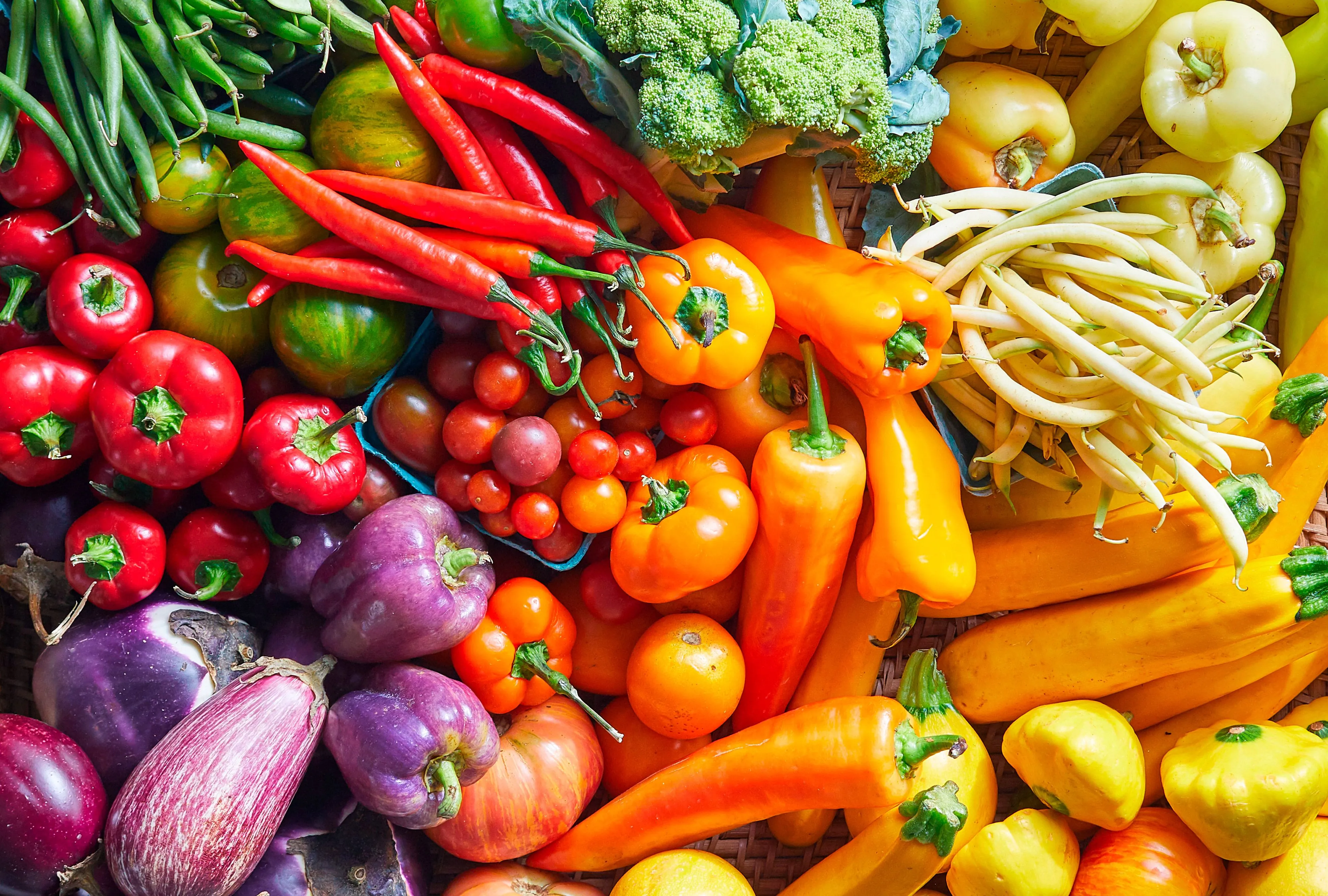
Fresh, in-season produce isn’t just delicious—it’s more budget-friendly, too. “Produce that is out of season is often more expensive because it has to be transported from farther away or grown in less optimal conditions,” Peterson says. “It also tends to be less flavorful, which can make it less appealing to eat. When food is less enjoyable, it is more likely to go unused, which ties back into food waste and higher overall grocery costs. Seasonal produce is usually more affordable, fresher, and better tasting. That combination makes it more likely that it will actually be eaten and used across meals. Even making a few simple seasonal swaps can help reduce costs while improving the overall experience of meals.”
Vocca notes that out-of-season produce has likely traveled thousands of miles in refrigerated trucks or been kept in climate‑controlled warehouses for weeks, and all that extra fuel, cooling, and labor are reflected on your receipt. If you need to purchase a fruit or vegetable that’s not in season, she recommends reaching for the frozen version instead. “It’s harvested at peak ripeness, flash‑frozen within hours, and often costs less than half as much as the out‑of‑season fresh version, while offering the same nutritional benefits,” she says.
Always Sticking with Name Brands
We all have our favorite name brand groceries, and there’s nothing wrong with that. In many cases, though, store brands offer comparable quality to big name brands at a lower price point. “If you’re looking to trim your grocery bill without trimming quality, store brands are one of the easiest places to start,” Vocca says. “On average, they cost about 25% less than national brands, and for most everyday staples, the nutrition and flavor are nearly identical. Store brands skip the splashy marketing campaigns and fancy packaging, focusing instead on value. In many cases, they’re even made by the same manufacturers as the name‑brand versions.”
Peterson and Vocca recommend shopping for a mix of store brand and name brand groceries depending on the item. Opt for store brands for everyday groceries like grains, canned goods, frozen fruits and vegetables, and pantry staples. For items where taste, texture, or ingredient quality is more noticeable—such as sauces, condiments, certain dairy products, or specialty snacks—you might want to stick with the name brand. When in doubt, Peterson recommends taking a quick look at the ingredient lists and nutrition labels on both. If they are nearly identical, that might make the decision to switch to the store brand a bit easier.
Relying on Pre-Cut or Prepared Foods
Convenience foods are, well, convenient, but they come with a price. “Convenience foods like pre‑cut produce, pre‑marinated meats, single‑serve snacks, and bakery treats promise to save time, but they often come at a premium,” Vocca says. “In many cases, you’re paying far more for labor and packaging than for the food itself. Pre‑cut fruits and vegetables typically carry around a 40% markup. You’re paying for someone else to wash, peel, chop, and package them. They also spoil faster after cutting, which can lead to more waste and more money thrown in the trash.”
Vocca adds that pre‑marinated chicken, pre‑formed burgers, and pre‑trimmed meats can cost 60% more than their unseasoned or uncut counterparts, while the bakery section is where markups soar, with pre-made cakes, muffins, and pastries costing 300 to 400% more than baking from scratch.
That said, you don’t need to avoid convenience foods entirely. Villalvir recommends strategically choosing between whole and pre-packaged or cut foods based on your needs. “If you want to save money and can chop a butternut squash with ease, go for it,” she says. “If you need a 15-minute meal and pre-chopped onions and peppers are going to make your life easier, that’s great, too.”
- <span>Recipes & Cooking</span>
- <span>How to Cook</span>
- <span>Grocery Shopping</span>