The contemporary coffee scene is witnessing a significant shift, with plant-based milks and chilled beverages increasingly dominating consumer choices. This evolution, driven by a growing desire for variety and personalization, has positioned oat milk as a staple in many specialty coffee establishments, leading to a re-evaluation of traditional menu structures and an elimination of additional charges for dairy alternatives.
However, this expansion of choices introduces complexities, notably in barista workflow and operational efficiency. The need to skillfully manage various milk types, each requiring precise handling for temperature and texture, can lead to extended service times and necessitate more intensive staff training. Dhan Tamang, a distinguished latte art champion and brand ambassador for Latte Art Factory, emphasizes the critical role of optimizing these processes to meet surging demand without compromising service speed or quality. This intricate balance underscores the importance of streamlined operations in an increasingly competitive market where consumer expectations for unique and customizable drink experiences are at an all-time high.
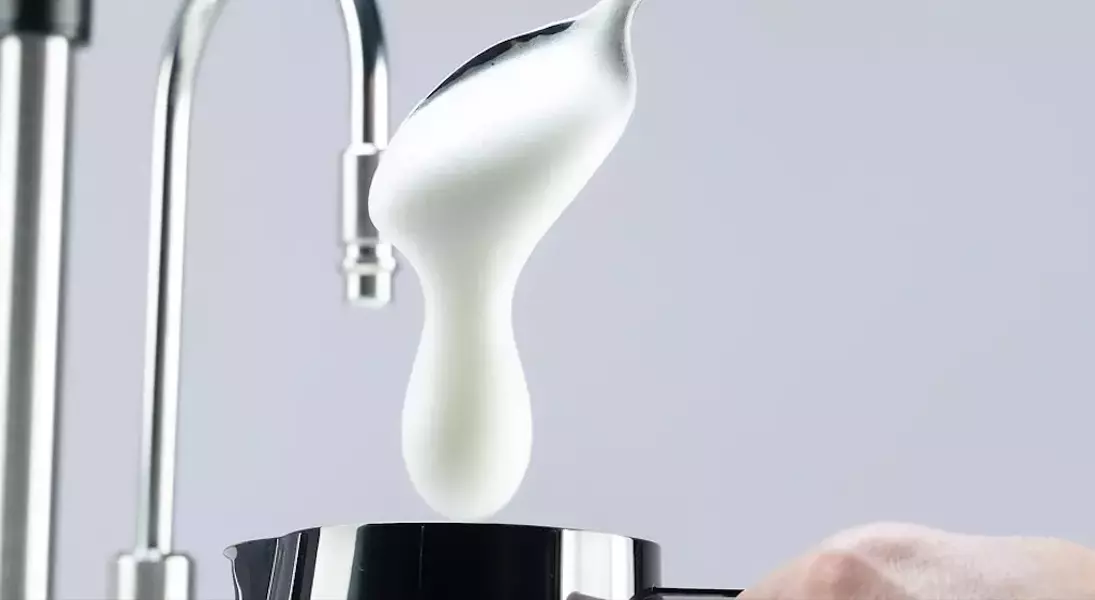
The rise of plant milks and cold beverages has redefined the coffee industry, prompting coffee shops to embrace automation and innovative solutions. With cold coffee sales soaring, particularly among younger demographics, and plant milks becoming integral to personalized drink options, establishments are exploring ways to enhance efficiency. Advanced milk foaming technologies, such as the Latte Art Factory, offer a strategic advantage by simplifying complex tasks like preparing diverse milk foams. These systems enable baristas to maintain consistent quality and focus more on customer engagement, thus overcoming operational hurdles, reducing waste, and improving service speed. This integration of technology not only caters to current trends but also empowers coffee shops to confidently innovate and deliver exceptional experiences, positioning them for continued success in a dynamic market.
The coffee industry is at a pivotal moment, characterized by evolving consumer tastes that favor cold, customizable beverages and a wide array of plant-based milks. To thrive, coffee shops must adeptly navigate these trends by optimizing their operational strategies, investing in cutting-edge equipment, and continuously enhancing barista skills. By embracing technology and fostering a culture of innovation, establishments can meet the demand for variety while upholding the highest standards of quality and service. This forward-thinking approach will not only ensure their relevance but also cultivate a more engaging and personalized experience for every customer, embodying a positive and adaptable spirit within the vibrant world of coffee.