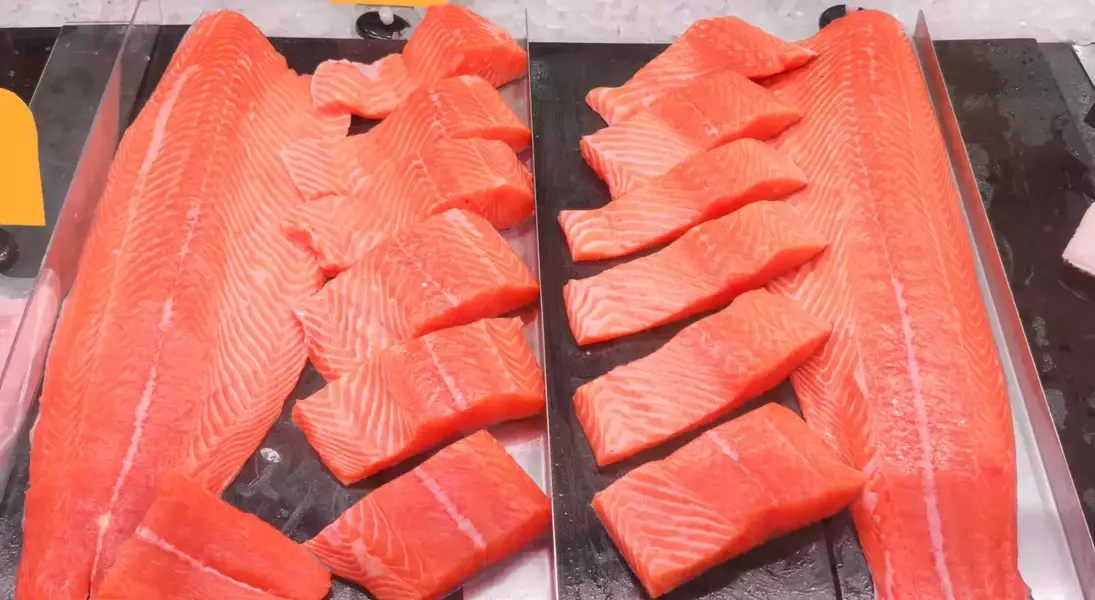
This comprehensive guide delves into the multifaceted world of salmon, offering insights to help you make informed decisions about purchasing, preparing, and savoring this popular seafood. From understanding the origins and seasonal availability to navigating the complexities of wild versus farmed options and embracing the advantages of frozen varieties, this article aims to empower consumers to confidently select salmon that aligns with their preferences, budget, and sustainability goals. With expert advice on different salmon types and proper storage techniques, you'll be equipped to elevate your salmon culinary experience.
The Ultimate Salmon Handbook: Decoding Origins, Cultivation, and Preparation
Salmon, a prominent feature on American dinner tables, has seen increasing consumption, solidifying its status as a culinary favorite. Despite its popularity, many consumers harbor questions regarding its varieties, environmental impact, and optimal preparation. Driven by a personal dietary recommendation to increase fish intake, the author embarked on a quest to unravel these complexities, discovering a surprising range of flavors and textures within the salmon family. From the rich King salmon ideal for a sophisticated dinner party to the delicate Coho perfect for stir-fries, and the economical canned Pink salmon suitable for pasta, salmon offers remarkable versatility. Concerns about wild versus farmed options, sustainability, and the merits of frozen fish prompted further investigation.
To address these questions, experts in seafood science and culinary arts were consulted, including Rachel Hager from the National Oceanic and Atmospheric Administration (NOAA), cookbook author Diane Morgan, and culinary figures Andrew Zimmern and Barton Seaver, co-authors of 'The Blue Food Cookbook: Delicious Seafood Recipes for a Sustainable Future.' Their collective wisdom sheds light on the intricacies of salmon selection, seasonality, and sustainable practices, offering a detailed roadmap for appreciating every type of salmon.
Where Salmon Originates and Why Seasonality Matters
While Alaska and the Pacific Northwest are renowned for their salmon, particularly Pacific varieties, Atlantic salmon, now exclusively farm-raised, is sourced globally. Commercial and recreational fishing for Atlantic salmon is prohibited in the U.S., with most domestic aquaculture occurring in Maine and Washington. However, a significant portion of farmed Atlantic salmon also comes from Canada, Chile, Norway, Scotland, and Denmark.
Farmed salmon offers year-round availability, a distinct advantage. In contrast, wild salmon is a seasonal commodity, with different species becoming available fresh throughout the year. This seasonality can influence pricing; for instance, chef Andrew Zimmern noted that frozen wild sockeye salmon might be discounted in spring as fresh King (Chinook) and sockeye salmon harvests approach. Recognizing the unique seasons of various wild salmon species, which fluctuate annually and by region, can lead to better value and a more diverse culinary experience.
Wild vs. Farmed Salmon: A Balanced Perspective
The debate between wild and farmed salmon is a significant point of contention, with consumers often divided by taste preferences or perceived sustainability. However, sustainable seafood experts like Barton Seaver emphasize that both categories can present commendable and less desirable choices. Zimmern highlights that both wild and aquaculture industries have their share of "bad actors." He asserts that responsible aquaculture practices are not only beneficial for the environment but also more profitable and produce superior products, leading to market-driven improvements in the industry.
Rather than strictly adhering to one category, consumers are encouraged to consider the specific salmon product, its origin, and the shopping context. Diane Morgan, a Pacific Northwest resident, exemplifies this by purchasing fresh wild salmon during its peak season, vacuum-sealing it for freezing, and enjoying it year-round. Personal taste also plays a role; farmed salmon, generally milder, can be found in various rich and diverse profiles depending on its origin, encouraging exploration beyond preconceived notions.
The Benefits of Frozen Salmon
While fresh-caught fish holds an undeniable appeal, advancements in freezing technology have transformed frozen seafood into a premium option. Zimmern notes that freezing, when done correctly, allows fisheries to preserve seafood at its peak freshness, offering convenience, cost-effectiveness, and wider availability to consumers. Seaver clarifies that the past stigma against frozen seafood stemmed from improper freezing methods. He champions "fresh frozen" practices, where seafood is rapidly frozen shortly after capture, maintaining optimal flavor and texture. This method is particularly beneficial for large-scale fisheries that operate at sea for extended periods.
Freezing wild seafood also helps stabilize market prices for fisheries by preventing an oversupply of fresh catch. For consumers, it offers practical advantages, such as extending the shelf life of salmon purchased for weekly meals and allowing access to out-of-season favorites or varieties that meet specific sustainability criteria or recipe needs.
Navigating Salmon Sustainability
For sustainable seafood choices, NOAA's Rachel Hager advises consumers to prioritize salmon caught or farmed in the U.S., citing robust protections for marine ecosystems and species populations. Resources like NOAA's website and the Monterey Bay Aquarium's Seafood Watch Program provide up-to-date information on sustainability. Given the dynamic nature of food systems, continuous education is crucial. Zimmern and Seaver also recommend certifications from the Aquaculture Stewardship Council and Best Aquaculture Practices for farmed fish, and the Marine Stewardship Council for wild fisheries.
Additionally, they urge consumers to engage with fish counter staff, asking about the origin and sustainability practices of the fish they intend to buy. Knowledgeable retailers are often equipped to guide consumers toward responsible choices, as many major supermarket chains are responding to consumer demand for sustainable seafood. In essence, opting for U.S.-sourced salmon or those with recognized certifications, coupled with proactive inquiry, ensures a responsible and delicious choice.
Beyond the Fillet: Exploring Other Salmon Cuts
While salmon fillets are widely popular and easy to prepare, other cuts offer unique culinary possibilities. A 'side of salmon' refers to a full fillet (half of the whole fish) and is ideal for feeding larger groups. For this cut, Morgan recommends baking or roasting, as pan-cooking can be challenging. Grilling a side of salmon can also be achieved with specialized fish baskets.
Salmon steaks, cross-cut and horseshoe-shaped, provide a distinct texture. Morgan recounts a French chef's technique of using kitchen twine to bind the thinner ends of steaks into a uniform oval, promoting even cooking when broiling, poaching, or searing. Alternatively, toothpicks can achieve a similar effect. Salmon collars, less commonly found in retail but a staple in Japanese cuisine, are often broiled with soy-miso sauce and celebrated for their rich flavor.
Understanding Different Salmon Varieties
The six primary types of salmon include five Pacific species (King/Chinook, Sockeye/Red, Coho/Silver, Pink, and Chum/Dog) predominantly from Alaska and the West Coast, and one Atlantic species, which is exclusively farmed globally.
- King (Chinook) Salmon: Originating from Alaska to California, this fatty salmon is available in summer and early fall. Its rich, buttery flavor and velvety, flaky texture make it ideal for grilling on a cedar plank or plancha, as direct grilling can be tricky due to sticking skin.
- Sockeye (Red) Salmon: Found from Alaska to Oregon, this deep red, wild, and gamey salmon is also in season during summer and early fall. Its high oil content makes it forgiving for stovetop cooking, broiling, or grilling.
- Coho (Silver) Salmon: Present across the North Pacific and in various U.S. freshwater bodies, Coho is available from summer through late fall. Lighter in color than King or Sockeye, it boasts a mild, delicate flavor and firm, flaky texture. Its mildness lends itself well to chowders, risottos, and stir-fries, though it can also be grilled.
- Pink Salmon: Originating from both sides of the North Pacific, Pink salmon is harvested from late summer to fall. It has a pale pink color, mild flavor, and soft, delicate texture due to its very lean fat content. Primarily sold canned, it's recommended for fish cakes and pasta.
- Chum (Dog) Salmon: Found throughout the North Pacific, Chum salmon is available from late summer to spring. Its color varies, usually paler than other Pacific species, with a mild, balanced flavor and firm, meaty texture. Its lean-to-fat ratio makes it culinarily versatile, earning it the moniker 'keta.'
- Atlantic Salmon: Exclusively farmed in locations like Maine, Washington, Canada, Chile, Norway, Scotland, and Denmark, Atlantic salmon is available year-round. Its color, flavor, and fat content vary widely depending on the farm. Norwegian, Scottish, or Faroese Atlantic salmon is often rich, while those from Chile, British Columbia, and Maine tend to be leaner. It can be grilled or pan-seared, and milder varieties may benefit from dry rubs or marinades.
Steelhead Trout: A Close Relative
Often associated with salmon, steelhead trout are part of the salmonid family, sharing many characteristics. Described as having a more intense flavor and denser texture in 'The Blue Foods Cookbook,' steelhead trout are related to rainbow trout, which remain in freshwater. Many steelhead species are endangered, so farmed options are typically the only ones available.
Optimal Salmon Storage Techniques
Proper storage is paramount to maintaining the quality of salmon. Zimmern and Seaver emphasize the importance of keeping seafood as cold as possible, immediately transferring it from the store to the refrigerator. Seaver's practical advice for home storage involves keeping fresh fish in its original wrapper in the coldest part of the refrigerator, ideally in a drawer away from temperature fluctuations caused by door openings. Properly stored, salmon remains fresh for several days. For longer storage, Morgan recommends vacuum-sealing and freezing. Frozen salmon should never be thawed at room temperature; instead, thaw it in its packaging under cool running water for about an hour, or slowly overnight in the refrigerator, before cooking.
This comprehensive understanding of salmon, encompassing its diverse types, origins, sustainability, and preparation methods, transforms a simple meal into an informed culinary journey. By engaging with fishmongers and leveraging available resources, consumers can ensure their salmon choices are not only delicious but also align with responsible environmental practices. The result is a satisfying and sustainable dining experience tailored to individual preferences and needs.
Reflections on Responsible Seafood Consumption: A Deeper Dive into Salmon
This exploration into the world of salmon offers more than just practical tips; it provides a valuable lesson in conscientious consumption. As a journalist covering food topics, I'm struck by how easily we, as consumers, can become overwhelmed by choices and conflicting information, especially when it comes to something as vital as sustainable food. The journey to understanding salmon, from its varied origins to the nuances of wild versus farmed, highlights the importance of education and active inquiry. It's not enough to simply trust labels; we must arm ourselves with knowledge and confidently engage with suppliers.
The insights from experts like Rachel Hager, Diane Morgan, Andrew Zimmern, and Barton Seaver underscore a crucial point: responsible consumption is a dynamic process. Food systems are constantly evolving, and what constitutes a "sustainable" choice today might shift tomorrow. This necessitates a continuous commitment to learning and adapting. Their advice to ask detailed questions at the fish counter, consult reputable resources like NOAA and the Monterey Bay Aquarium's Seafood Watch, and consider certified products empowers us to make better decisions. It transforms a routine grocery trip into an act of environmental stewardship. Moreover, the reevaluation of frozen seafood as a viable, often superior, option due to technological advancements challenges long-held culinary prejudices, demonstrating that quality and convenience can coexist.
Ultimately, this deep dive into salmon reminds us that our food choices have far-reaching impacts. By making informed decisions, we contribute not only to our own well-being but also to the health of our oceans and the livelihoods of those who responsibly manage our seafood resources. It fosters a greater appreciation for the food on our plates and the intricate systems that bring it to us, inspiring a more thoughtful and sustainable approach to eating.